
Anxiety Therapy in Lafayette, CA
Does This Sound Like You?
You are stressed out, find it difficult to relax and feel on edge, even when you have downtime
Your stress is affecting your life like sleep, relaxation, work, relationships, or other areas of your life
Your mind is always running, replaying conversations, planning ahead, or imagining worst-case scenarios
You feel pressure and find it difficult to manage it all
You overanalyze decisions and are flooded with worry and conflicting thoughts, that feels exhausting.
You’re overloaded with stress or feel a sense of panic
You are impacted by the world around you and feel overwhelmed
You set high standards for yourself and feel defeated when you can’t consistently meet them
You carry your stress in your body and notice how it is connected to your worries

If these experiences feel familiar, they may be signs of anxiety. Racing thoughts, persistent worry, avoidance, physical tension, sleep disruption, panic attacks, or difficulty concentrating are common reactions to chronic anxiety.
That wired-but-worn-out state can make ordinary tasks can feel heavy, leave you feeling depleted and turn nights into restlessness with racing thoughts. When anxiety keeps your nervous system keyed up, you might notice tight muscles, trouble concentrating, disrupted sleep, or a persistent fog that saps motivation. Therapy for anxiety can be a helpful tool to help you find a ways to calm your system, untangle the cycle of worry, and help you feel more regulated.

Why Anxiety Feels So Intense?
Anxiety can feel overwhelming because it is not just happening in your thoughts. It is happening throughout your whole system. Your body reacts as if something is wrong or about to go wrong, even when part of you knows you are okay.
When anxiety ramps up, your body can shift into a kind of survival mode. It can feel confusing, especially when there is no clear reason in the moment. This happens because your nervous system responds based on past experiences and patterns, not only what is happening in the present moment. It can feel like that system is always “on”, even when you’re safe.
What types of anxiety issues can this therapy help with:
Persistent worry and generalized anxiety that makes everyday decisions feel overwhelming, draining, and make it difficult to enjoy daily life.
Panic attacks and anxiety episodes that involve sudden, intense feelings of fear accompanied by heart palpitations, shortness of breath, or a sense of impending doom when these symptoms are not caused by an underlying medical condition.
Interpersonal anxiety, including fear of judgment or failure, perfectionism, self-esteem, or avoidance of social situations that interferes with relationships, career growth, or everyday functioning.
Somatic presentations of anxiety such as ongoing physical symptoms (gastrointestinal upset, fatigue, sweating, trembling with fear, etc.) that are connected to stress and anxiety rather than a medical condition.
Trauma related anxiety that can include hypervigilance, flashbacks, heightened startle responses, or intense emotional reactions linked to past traumatic experiences or interpersonal harm.
Stress related to current events that feels overwhelming, worrisome, feeling constantly on alert, emotionally exhausted, contributes to sleep disruption, difficulty concentrating, increased vigilance, or withdrawal from daily life.

Therapy Approaches
Offering trauma-informed, relational psychotherapy for the treatment of anxiety that emphasizes the mind-body connection and practical, sustainable interventions. Therapy sessions blend evidence-based methods and experiential practices so work in session feels meaningful and applicable to daily life.
Utilizing Internal Family Systems (IFS)to treat the anxious parts of you with curiosity and compassion rather than criticism. IFS therapy can help you understand what parts of you are worried and support them to have a more balanced response.
Mindfulness Based Stress Reductionoffers a simple, accessible practice that can build present-moment awareness and reduce reactivity. Mindfulness teaches you how to notice thoughts and sensations without getting swept away.
Somatic psychotherapy (aka mind-body awareness)brings awareness to how anxiety is experienced in your body. You can learn how to track bodily sensations, regulate your nervous system through awareness, breath, and grounding. Somatic Psychotherapy is incorporated with talk therapy.
Attachment-based therapy can help you explore how your early attachment experiences shape your expectations, relational patterns, and anxiety responses. Sessions are designed to allow opporunties for practice of corrective relational experiences.
Trauma-informed careis an important part of session in order to provide you with a sense of safety, pacing, and choice. Prioritizing stabilization and resourcing before moving into more intense processing to support your system in a way that works for you.
Anxiety often lives in patterns shaped by relationships and attachment and in order to understand this better, therapy is understood as relational. We explore interpersonal dynamics, communication styles, and ways to build secure connections that support healing.
These approaches are integrated flexibly to match your needs. You may benefit from focused somatic regulation, or from parts work with IFS or attachment repair, or the therapist may find that a mix may be helpful.
What this can Anxiety Treatment look like in Session?
Shohreh is an intuitive and relational therapist who is compassionate and can support you to challenge old beliefs that no longer serve you. Her style is warm, collaborative, and conversational.
What that means in practice:
We don’t just stay in your thoughts, we also pay attention to what’s happening in your body and how this impacts your experience
We explore the different parts of you (like the over thinker, the perfectionist, the worrier, etc.) instead of trying to get rid of them
We move at a pace that feels safe and manageable to your system
You’ll learn practical tools, but also deeper ways of understanding yourself
You don’t need to have the “right words” or a clear starting point. You just show up as you are with your authentic self.

Who Can Benefit from Anxiety Therapy?
This work tends to help people who are ready to:
Move from reacting to anxiety toward responding with intention.
Learn skills that transfer to everyday settings such as in work, relationships, self growth and parenting.
Work at a pace that honors safety and personal limits, especially when trauma is present.
Repair or strengthen attachment patterns and improve relational functioning.
Shohreh works with adults across the lifespan, including those experiencing new anxiety related to life transitions and those navigating chronic anxiety shaped by long-term stress or trauma.

Getting Started
If you would like to find an anxiety therapist near you in Lafayette, CA or anywhere in California and find that anxiety is getting in your way in work, in your relationships, or in everyday life, Shohreh may be a good fit. Schedule your free 15-minute phone consultation to get answers to questions about your therapy needs and next steps.
Finding the right therapist matters.
Things can feel different than they do right now.
Meet the Therapist
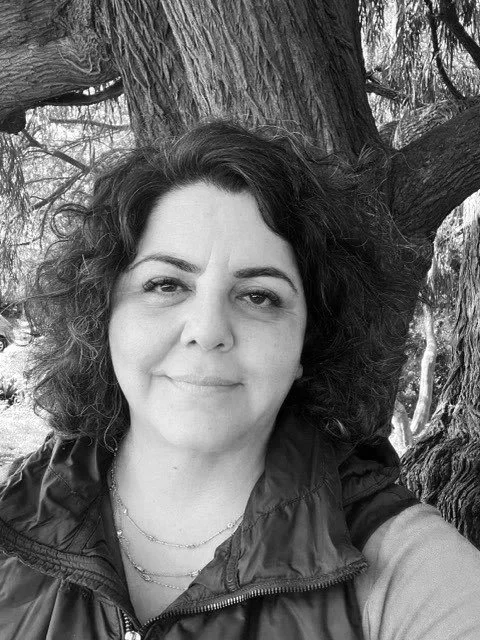
Hello and Welcome! My name is Shohreh (pronounced “Sho-ray”) and I am a California Licensed Marriage and Family Therapist. I am an experienced psychotherapist who enjoys supporting clients in understanding themselves on a deeper level. Finding a therapist can feel overwhelming. That is why I offer a free 15 minute phone consultation to get a sense if I am the right fit for your needs. See my About page for more specific information about my skills and training.
Recent Posts







Anxiety Treatment in Lafayette, CA
936 Dewing Ave, Suite Q, Lafayette, CA 94549
Hours of Operation
Monday: 7:30AM–7:00PM
Tuesday: 7:30AM–7:00PM
Wednesday 7:30AM–7:00PM
Thursday 7:30AM–7:00PM
Friday 7:30AM–7:00PM
Saturday 9:00AM–5:00PM
Sunday Closed
By Appointment Only
By Appointment Only