Best Anxiety Therapist in East Bay Area: How to Choose the Right One

Finding the right anxiety therapist can feel overwhelming, especially when you’re already dealing with stress, overthinking, panic or other signs of anxiety. A quick search for best anxiety therapist in East Bay Area may return dozens of options, leaving you unsure where to start. Choosing the best therapist isn’t just about picking the first name that appears online. It’s about finding someone whose approach, style, and experience genuinely matches what you need to heal and feel better day to day. The best anxiety therapist for you might look differently to one that is the best for someone else.
Tips to Find the Best Anxiety Therapist For You:
When anxiety is affecting your thoughts, experiences, your body, and relationships, the right therapist can support you to feel safe, more hopeful, and more resourced. Here are some tips to help you find the best therapist in San Francisco Bay Area for your needs.
Understanding the Financial Commitment of Therapy

Therapy is an important financial and time investment in your emotional well-being and can support you in gaining better tools and valuable insight. Therapy sessions for anxiety are typically once a week, so think about what is financially sustainable for you, while holding in mind it will likely be a financial investment. There is generally more flexibility in choosing a therapist when you are paying out of pocket, as there are therapists who do not accept insurance. If you are looking to use your insurance, check with your insurance to see which therapists are in-network and whether out-of-network benefits for psychotherapy services are available with your insurance plan. If your plan includes out-of-network reimbursement, ask the therapist if they can provide a Super Bill (paid invoice summary) to submit for potential insurance reimbursement.
Therapeutic Style
Not all therapists work the same way. Therapist use different approaches, communication styles, and treatment methods. Think about what style of therapy would feel helpful to you. Research consistently shows that a strong therapist-client relationship is one of the biggest predictors of success. Here are some questions to consider:
Do you prefer a therapist who is structured and analytical?
Or do you prefer a therapist who is conversational and down to earth?
Do you want someone who is straight forward and direct?
Or someone who is more gentle in their approach?
Think about what factors would help you to feel comfortable, understood, and supported. Use this frame as a starting point to help narrow down what qualities you would like in your therapist.
Look for Anxiety-Specific Experience

You can use different therapist directories and their filter options. Start by looking specifically for therapists who specialize in anxiety. If there is a training approaches that you resonate with (some examples are Internal Family Systems, Somatic Psychotherapists, Trauma Informed Therapy or mindfulness-based interventions) filter those results as well. If you need specific type of anxiety support, find a therapist who has experience and specializes in treating those issues. Take time to read the therapist bios to get a sense if you want to proceed with that particular therapist. Often times it’s hard to get a sense of therapist unless you speak to them, this is why a initial consultation call is recommended.
Setting up an Initial Consultation Call
A consultation call is a chance to see if the therapist feels like a good fit and to get a sense of the therapists style. During the call you discuss your anxiety symptoms and ask the therapist their experience with these symptoms. You can also ask the therapist what their experience is with treating anxiety and what approach they use.
Trust Your Gut

During the consultation, notice how it feels to speak with the therapist: do their words, tone, and communication style resonate with you? Check in with yourself particularly after the first couple of sessions to see whether you feel heard, understood, and attuned to. Use the first three sessions to assess fit and decide if this therapist’s approach works for you.
A good therapist has a way of bringing clarity to what once felt tangled and overwhelming. They listen deeply, reflect thoughtfully, and help you connect the dots without overwhelming you. They help you sort through your thoughts and emotions, breaking them down into something more manageable and understandable. If you are consistently leaving the session feeling more overwhelmed or dysregulated, that may be a sign that it may not be a good fit. If it’s not a good fit, let the therapist know and then try a different therapist.
Practical next steps

Make a short list of 3 therapists who specialize in anxiety and offer free consultations. You can search within therapist directories such as GoodTherapy, TherapyTribe or find training specific directories.
Book a 15-minute consult to feel the tone of the therapist, to get a sense of their style, and ask about their practical approach.
See how it feels to speak to them and if it feels like a fit, chose one to schedule your first session with.
Try therapy with that therapist and check in if it feels like a good fit.
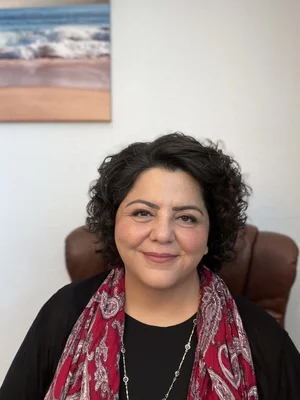
Shohreh Schmuecker, LMFT Offering Online Anxiety Therapy in Lafayette, CA

Shohreh (Sho-ray) Schmuecker, LMFT brings a combination of experience, clinical skill, and a compassionate approach to care. She is not only trained in evidence-based methods, but she also integrates multiple modalities depending on what each client needs. This includes internal family systems therapy for parts work, somatic psychotherapy for mind-body symptoms of anxiety, trauma-informed pacing, psychodynamic and attachment theory. She explores how your past affects you today, and utilizes in mindfulness practices for grounding and regulation in the present moment.

A Grounded and Supportive Approach to Anxiety Therapy
Many people struggling with anxiety already feel overwhelmed in daily life. Therapy shouldn’t add more pressure.
Shohreh’s style is intentionally designed to feel:
Warm and conversational, not “clinical” or distant
Structured enough to create progress, but flexible enough to move at your pace
Grounded and calming
What your first Anxiety Treatment sessions with Shohreh may feel like

Early sessions are typically focused on understanding your story, your triggers, and how anxiety shows up in your life. First sessions typically include exploration of what you’re experiencing and understanding your process.
If you are curious about what therapy could look like for you, reach out to Shohreh to schedule your free phone consultation to see how she can help support you with treatment for anxiety.
This blog is for general information purposes only. It is not meant for a substitution for medical or mental health advice or treatment. Please see a licensed professional for medical or mental health advice and/or recommendations specific to your needs.