
Mindfulness: A Tool to Help with Anxiety and Stress

What would it feel like to slow down, even for a few seconds and notice your thoughts and your what you are feeling in your body without judgment?
Mindfulness isn’t about clearing your mind or being calm all the time. It’s about learning how to be present, right here, right now, with curiosity. And you don’t need to know how to meditate to begin.
Mindfulness invites you to:
Slow down
Observe what’s happening internally
Create space before responding
Develop greater emotional balance
Cultivate self-compassion
Research consistently shows that mindfulness-based therapy for anxiety, stress, and depression can reduce emotional reactivity and improve overall well-being.
Mindfulness brings you back to now.
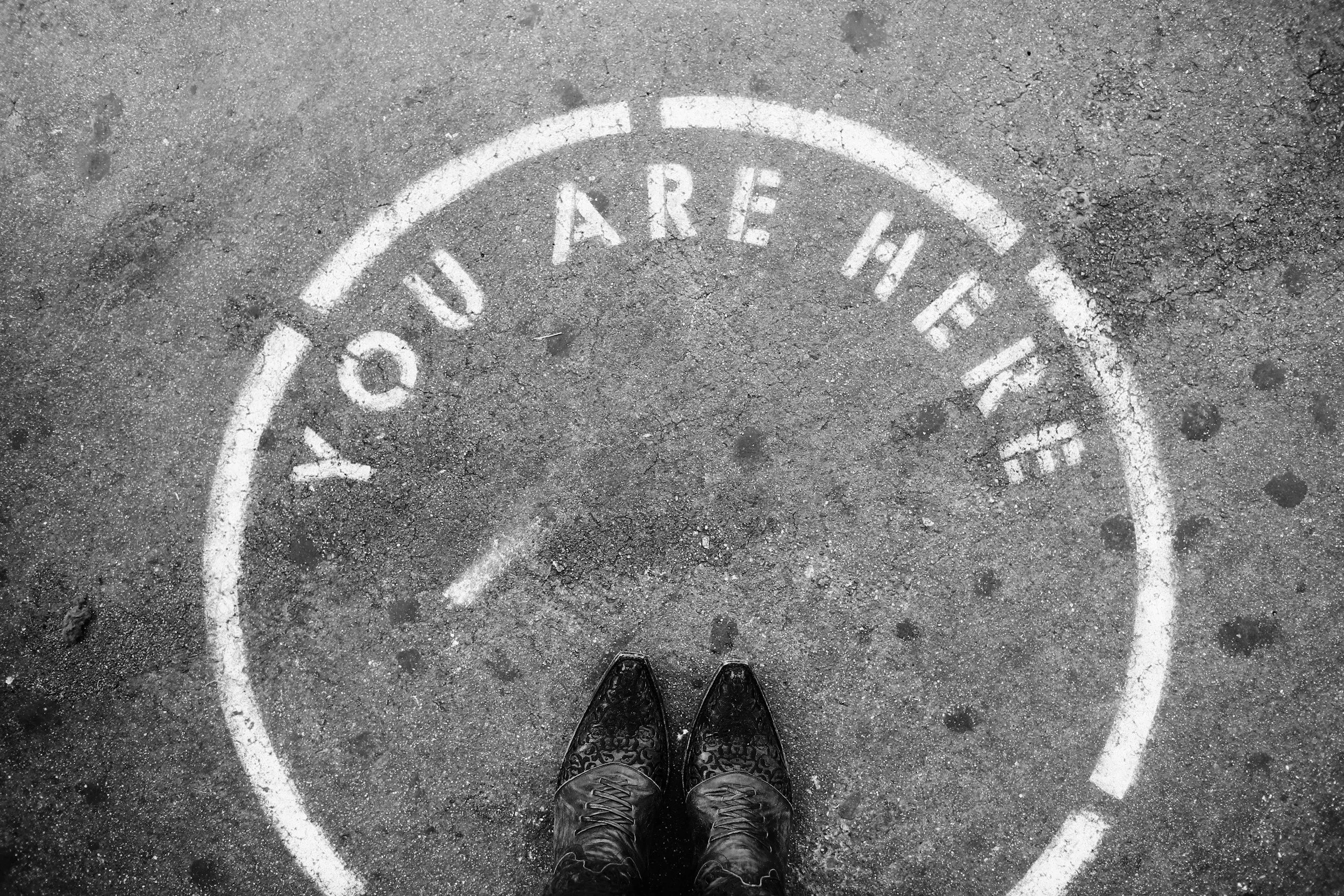
When you pause and notice your breath, your body, or your surroundings, you send a signal to your nervous system that you are safe in this moment.
That small shift can interrupt spiraling thoughts and help your body settle.
Over time, practicing mindfulness can build resilience. You may begin to notice triggers earlier. You can respond more intentionally. You can feel more grounded.
Let’s explore simple, practical ways to bring mindfulness into your everyday life.
3 Mindfulness Practices
Notice Without Judgement

Throughout the day, gently ask yourself:
What am I feeling right now?
Where do I feel it in my body?
What thoughts are present?
The key is noticing, nothing more. Try only being an observer of your experience.
Ground Through Your Feet

When you feel overwhelmed, bring attention to your feet. This can be a sitting practice or a standing practice.
Press your feet gently into the floor, feeling gravity. Notice the support underneath you. Shift your weight slightly from side to side to help you feet plant firmly towards the earth.
This grounding technique can help bring you back to the present moment and back into feeling centered.
One-Minute Body Scan

You can do this before you sleep while in bed or you can do this seated. Once you’re settled in, take a moment to close your eyes.
Slowly bring awareness to different parts of your body such as your face, fingers, stomach, and feet.
Notice any tension. Notice any ease. Notice where it feels neutral.
You don’t need to fix anything. Just observe. If you fall asleep, that’s okay! It means that you are relaxed.
When Mindfulness Feels Hard

Sometimes when you begin practicing mindfulness, you become more aware of your anxiety or other uncomfortable emotions. If it becomes overwhelming, give yourself permission to stop and do something else. Mindfulness is a practice and every time you try it can be a different experience.
With support, mindfulness can become less overwhelming and more empowering. In therapy, you can learn how to pace the practice, stay grounded, and build emotional tolerance gradually.
Mindfulness Is About Returning

You will get distracted.
Your mind will wander.
Expect this.
That’s not failure, that is the practice.
Every time you return to the present moment, you strengthen awareness and your practice.
Mindfulness Support in the SF Bay Area

If you’re feeling overwhelmed, stuck in overthinking or navigating anxiety or depression, mindfulness-based therapy can help you build practical skills to feel more grounded and present.
Shohreh Schmuecker, LMFT, offers mindfulness-based therapy for adults in the SF Bay Area, supporting clients with anxiety, stress, and emotional challenges through compassionate, evidence-informed care.
If you’re ready to cultivate a calm, reach out to Shohreh Schmuecker, LMFT today to schedule a consultation.
You deserve to feel steady, supported, and more at home in your own mind. A calmer, more centered way of being is possible, one mindful moment at a time.
Ready to Get Started?
This blog is for general information purposes only. It is not meant for a substitution for medical or mental health advice or treatment. Please see a licensed professional for medical or mental health advice and/or recommendations specific to your needs.