
Are You Trying to Be the Perfect Parent?

Are you constantly hard on yourself when you don’t meet an idealized parenting mark? Do you find it difficult to acknowledge when you do “get it right” as a parent? Are you really down on yourself when you are not perfect, even though you are able to meet all of your child’s needs most of the time? If so, this blog is for you.
The tricky thing about parenting is, it’s hard to know immediately when you are “doing it right”. You might have read all the parenting books, learned about different techniques, consulted experts, become quite skilled in stages of development, but find it is difficult in the everyday 24-7 tasks of parenting to feel satisfied.
Parenting through the different stages
Each developmental stage requires a different level of responsiveness and rhythm. You are going through a learning process as your child enters each new stage and milestone. Recognizing this can help you to be gentler with yourself as you navigate all that is asked of you.

Babies
Babies needs constant attention and attunement, because they rely on their parent or caregiver for their needs, safety, and well-being. You would be more physically, emotionally, and logistically available for a baby than you would for a teenager or young adult child.
If you are parenting a baby, your sleep is impacted, your schedule dependent, your body is impacted (including if you are nursing) and your whole life can feel like it is likely centered around your infant. When your baby cries, you have to figure out what is going on because that child does not have the ability to communicate with words. Your baby may be crying for reasons ranging from hunger, discomfort, needing emotional regulation, etc. The need to intuit or interpret what your baby needs can be frustrating, overwhelming, exciting, rewarding and is a definitely a learning process.

Toddlers
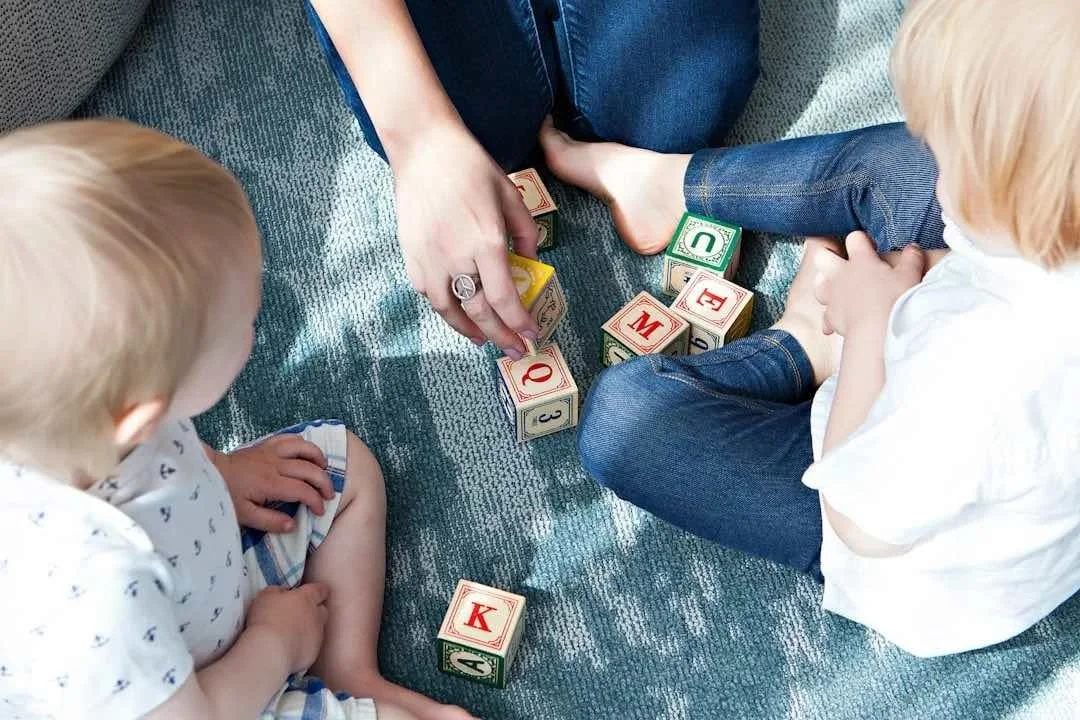
A toddler on the other hand, often has more autonomy (with the exception of physical or cognitive differences) and will be able to communicate with words their dislikes, likes, preferences, etc. There can be more process around the relationship, including emotional rupture and repair. There could be more sensitivity and reactivity in this relationship as your toddler practices aspects of about their autonomy. For example, a toddler may get frustrated when they tried to stack blocks, but if you try to help them they may have a tantrum.

Older Children
If you have an older child, such as an adolescent or teen, you may notice that there are some similarities between earlier stages (such as teenagers and toddlers). You may find that push-pull dynamic that feels familiar. You may try to find ways to balance the support they still need from you while they try to assert their independence.
Additional Children
Also, with each child you parent, you will need to learn a different person including their ways of being in the world, their personalities, temperament, characteristics, sensitivities, and their ways of responding to their environment and to you.
Demands of Parenting

The reason I am pointing out the different stages is to illustrate that it is a lot to track!
It is often hard to know while you are going through it what is helpful and what is not, because the feedback can be subtle or the opposite of seeming helpful to your child. For example, you may give your teenage a reasonable curfew and they may resent it at the time, but later in life remark that it was helpful to have boundaries in retrospect.
Recognizing that Parenting is the Groundwork for your Child’s Relationships
Our early attachments impact us throughout our lives. Thinking about that might conjure feelings of overwhelm or pressure, however think of it as an opportunity to help your child be in relationship with other people. There isn’t a relationship that is honestly perfect, because we as humans are imperfect. The important part to remember is there will be times when you are less than perfect, sometimes it will be good enough parenting”.

Supporting your child in understanding that relationships are not perfect, can help them to have a more balanced expectation of relationships including their own expectations as a parent or a partner. One in which the other person is trying their best and making attempts to correct or authentically apologize as needed. They can also recognize in themselves that they are also human as well and even when they are insensitive to the other person’s needs, they can misattune and that this is an opportunity to repair the relationship with courage.

Parents Need Support
Although this is a oversimplification of the process of parenting, I hope you will take away the sentiment that parenting is a constant adjustment and readjustment to different developmental stages and recognizing that you won’t always get it perfect. Adjusting when you need to and also giving yourself some grace when appropriate, can be helpful tools. The role of parent is a demanding one and there are not many opportunities to celebrate the subtle ways where you can see the positive impact in real time.

Finding ways to get perspective whether through family, community, child-care providers, specialists, or therapists can help you to find a place that feels more balanced.
As a therapist with experience offering therapy for mothers and parents that want to do their very best for their child, I can support you in finding balance, making emotional space for yourself and working with the parts of you that can use their own space. Having time to reflect, vent, process, feel, and understand your experience can help you have a needed place to feel supported and seen.
This blog is for general information purposes only. It is not meant for a substitution for medical or mental health advice or treatment. Please see a licensed professional for medical or mental health advice and/or recommendations specific to your needs.